













ChinaBikerack
Bike Parking Solution Supplier
ChinaBikerack
Bike Parking Solution Supplier

Specifications
Model Number : PV-SC-001
Type: Bike parking and storage
Color:Yellow,Black,Green,Red,or Customized.
Style : both indoors and outside
Material : carbon steel
Loading: According to customer need
Size :195*23.2*75cm,200.55*23.2*75cm,or Customized.
Finish: hot-galvanized

Specifications
Model Number : PV-0081-01
Type: Bike parking and storage
Color:silver
Style : both indoors and outside
Material : carbon steel
Loading: According to customer need
Size :Height 1463mm, Depth 1114mm
Finish: hot-galvanized

Model Number : PV-0081-01
Type: Bike parking and storage
Color:Black
Style : both indoors and outside
Material : carbon steel
Loading: 2-10 bikes (According to customer need)
Size :Height 1463mm, Depth 1114mm
Finish: hot-galvanized

Model No.: PV-H1
Size: w605*D400*H330mm
Specification: Round tube:¢16*1.2mm
Finish: Power coated
Net Weight: 1.6 kgs
Packing size:6pcs/ctn
MOQ: 100pcs

Model Number : PV-0024-01
Material : carbon steel/stainless steel
Loading: according customer space size,we can design according the size
Size : W1977*D1130(depend on your parking space)*H2500mm
Finish: Powder coated ,hot-galvanized/electric polish
Packing size :2000*2000*2500mm(40 parking space )
Powder coated ,hot-galvanized/electric polish

Product number:PV-0046-01
Material:carbon steel
Specification:10.2*59*28CM or Customized.
MOQ:100PCS
Port:Shanghai
Trademark:PV

Model Number : PV-0081-01
Type: Outdoor Bike Parking Rack
Style : both indoors and outside
Material : carbon steel
Loading: 2-10 bikes (According to customer need)
Size :170.5*116*148CM
Finish: hot-galvanized

Model Number : PV-0055-01
Type: compact flat pack /slot
Color:black / silver /yellow/optional
Style :Outdoor/indoor
Material : carbon steel/ stainless steel
Capacity : park 6 bikes
Size : L1400*W1054*H840mm
Net weight :38KG
Finish: powder coating / hot galvanized /elctropolishing
Packing size :1490*860*160mm 1pcs/ctn

Product Name: Multi-Capacity Horizontal Two Tier Bike Parking Rack
Material: Carbon Steel
Finish: Powder coated
Post: 80mm * 80mm thickness: 3mm
Steel plate: thickness: 2mm
Dimension: 1325*1890*1830mm
Weight: 370 kg/set

Model: PV-0067-01
Material: stainless steel 304
Pipe: 50 mm* 2.5 mm
Size: 900*700 mm(L*W)
Surface treatment: polishing
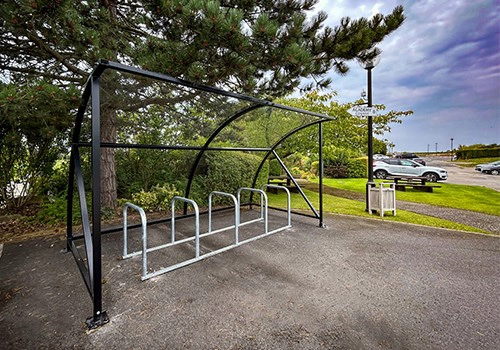
In urban centers, college campuses, commercial complexes, and public transit hubs, the demand for reliable bicycle storage has never been higher. As more people embrace cycling for commuting, fitness, and sustainability, the need to protect these valuable assets—from theft, damage, and harsh weather—has become paramount. Enter heavy-duty bicycle racks: the unsung heroes of secure, durable bike storage. Designed to withstand intense use, extreme conditions, and even attempted vandalism, these racks aren’t just a convenience—they’re a long-term investment in safety, functionality, and peace of mind.But what sets a heavy-duty bike rack apart from a standard model? When is “maximum strength” not just a selling point, but a necessity? In this guide, we’ll dive into the world of heavy-duty bicycle racks, exploring their design, applications, benefits, and why they’re the smart choice for high-traffic, high-stakes environments.
Not all bike racks are created equal. A standard rack might suffice for a small apartment building or a low-traffic park, but heavy-duty models are engineered for the toughest scenarios. Here’s what defines their strength:
Heavy-duty racks are constructed from premium, high-gauge materials that resist corrosion, bending, and wear. The most common options include:
These materials are thicker and stronger than those used in lightweight racks, ensuring they can support multiple bikes (often 5+ at a time) without warping or collapsing.
Heavy-duty racks aren’t just about thick metal—their design plays a critical role in strength. Key features include:
Modern bicycles—especially e-bikes, cargo bikes, and mountain bikes—are heavier than ever. A standard rack might buckle under the weight of a 50+ pound e-bike, but heavy-duty racks are rated to support 100+ pounds per bike, with some industrial models handling even more. This makes them essential for areas where diverse, heavy bike types are common.
Heavy-duty racks are an investment, but there are clear scenarios where their strength and durability aren’t optional. Here are the key environments and use cases where they’re non-negotiable:
Cities are cycling hubs, with busy downtowns, transit stations, and business districts seeing hundreds of bikes daily. In these areas:
A lightweight rack in this setting would quickly show signs of damage: bent bars, rusted joints, or even collapse. Heavy-duty racks, with their robust materials and anchoring, stand up to the chaos of urban life.
Businesses, factories, and warehouses often provide bike storage for employees who commute. These spaces demand racks that:
For example, a delivery company with a fleet of cargo bikes needs racks that can handle their bulk and weight, while a tech campus with hundreds of employee e-bikes requires theft-resistant storage that won’t falter under constant use.
Colleges and universities are cycling hotspots, with students, faculty, and staff relying on bikes to navigate large campuses. Here, racks must:
Heavy-duty racks in these settings reduce maintenance costs (fewer replacements) and improve safety, ensuring students feel confident leaving their bikes unattended.
Train stations, bus terminals, and bike-share stations are critical connection points for commuters. Racks here are exposed to:
A failed rack at a transit hub doesn’t just inconvenience users—it disrupts daily commutes. Heavy-duty models ensure reliability, even in these high-stakes, high-usage environments.
Parks, trailheads, and campgrounds attract cyclists with expensive mountain bikes, road bikes, and e-bikes. These locations need racks that:
A heavy-duty rack in a national park, for example, won’t rust after a summer of rain or bend when a group of mountain bikers park their gear for a day on the trails.
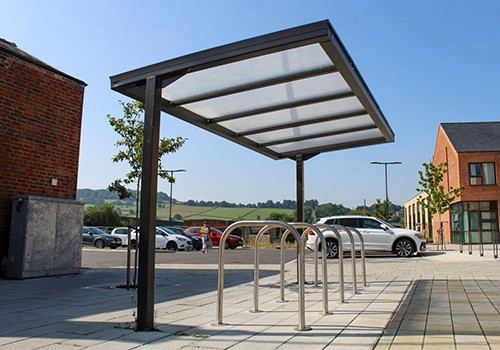
Choosing heavy-duty over standard racks isn’t just about durability—it’s about long-term value. Here’s how they deliver:
While heavy-duty racks have a higher upfront cost, they require far less maintenance and replacement than lightweight models. A standard rack might need repairs or replacement every 2–3 years in high-traffic areas, while a heavy-duty rack can last 10+ years. Over time, this translates to significant savings.
Their robust design and anchoring systems make heavy-duty racks far harder to tamper with. Thieves are less likely to target bikes locked to a welded steel rack bolted into concrete, reducing theft rates and giving users peace of mind.
From kids’ bikes to cargo e-bikes, heavy-duty racks accommodate a wide range of sizes and weights. This versatility is crucial in public spaces where bike diversity is the norm.
A well-designed heavy-duty rack—with a clean, modern finish—adds to the visual appeal of a space. For businesses, campuses, or cities, this signals a commitment to quality and sustainability, enhancing their reputation among users.
Many cities and institutions have strict standards for public bike storage, mandating minimum weight capacities, durability, and accessibility. Heavy-duty racks often exceed these requirements, ensuring compliance and avoiding fines or retrofits.
Not all heavy-duty racks are identical. To find the best fit for your needs, ask these questions:
Racks come in various capacities, from 2-bike models for small businesses to 10+ bike systems for campuses or transit centers. Calculate peak usage (e.g., morning rush for a train station) to avoid overcrowding.
If theft is a concern, look for racks with:
Heavy-duty racks should be usable by everyone, including people with disabilities. Look for models that comply with ADA guidelines, such as clear pathways around the rack and heights that accommodate users of all abilities.
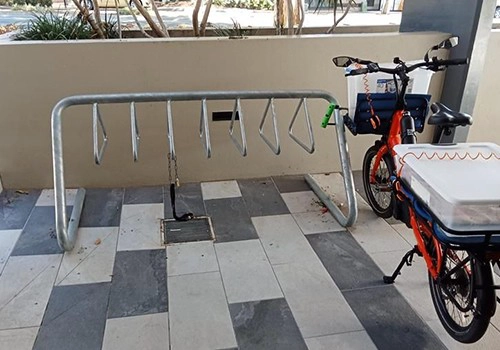
As cycling culture evolves, so do heavy-duty racks. Manufacturers are innovating to meet new demands:
Heavy-duty bike racks are more than just metal structures—they’re a commitment to safety, reliability, and sustainability. Whether in a bustling city center, a busy campus, or a remote trailhead, their ability to withstand heavy use, harsh conditions, and security threats makes them indispensable.Investing in a heavy-duty rack means fewer replacements, happier users, and a space that’s equipped to handle the future of cycling. So, when do you need maximum strength? When the stakes are high—and when “good enough” simply isn’t enough.
Choose heavy-duty. Choose durability. Choose peace of mind.