













ChinaBikerack
Bike Parking Solution Supplier
ChinaBikerack
Bike Parking Solution Supplier

Specifications
Model Number : PV-SC-001
Type: Bike parking and storage
Color:Yellow,Black,Green,Red,or Customized.
Style : both indoors and outside
Material : carbon steel
Loading: According to customer need
Size :195*23.2*75cm,200.55*23.2*75cm,or Customized.
Finish: hot-galvanized

Specifications
Model Number : PV-0081-01
Type: Bike parking and storage
Color:silver
Style : both indoors and outside
Material : carbon steel
Loading: According to customer need
Size :Height 1463mm, Depth 1114mm
Finish: hot-galvanized

Model Number : PV-0081-01
Type: Bike parking and storage
Color:Black
Style : both indoors and outside
Material : carbon steel
Loading: 2-10 bikes (According to customer need)
Size :Height 1463mm, Depth 1114mm
Finish: hot-galvanized

Model No.: PV-H1
Size: w605*D400*H330mm
Specification: Round tube:¢16*1.2mm
Finish: Power coated
Net Weight: 1.6 kgs
Packing size:6pcs/ctn
MOQ: 100pcs

Model Number : PV-0024-01
Material : carbon steel/stainless steel
Loading: according customer space size,we can design according the size
Size : W1977*D1130(depend on your parking space)*H2500mm
Finish: Powder coated ,hot-galvanized/electric polish
Packing size :2000*2000*2500mm(40 parking space )
Powder coated ,hot-galvanized/electric polish

Product number:PV-0046-01
Material:carbon steel
Specification:10.2*59*28CM or Customized.
MOQ:100PCS
Port:Shanghai
Trademark:PV

Model Number : PV-0081-01
Type: Outdoor Bike Parking Rack
Style : both indoors and outside
Material : carbon steel
Loading: 2-10 bikes (According to customer need)
Size :170.5*116*148CM
Finish: hot-galvanized

Model Number : PV-0055-01
Type: compact flat pack /slot
Color:black / silver /yellow/optional
Style :Outdoor/indoor
Material : carbon steel/ stainless steel
Capacity : park 6 bikes
Size : L1400*W1054*H840mm
Net weight :38KG
Finish: powder coating / hot galvanized /elctropolishing
Packing size :1490*860*160mm 1pcs/ctn

Product Name: Multi-Capacity Horizontal Two Tier Bike Parking Rack
Material: Carbon Steel
Finish: Powder coated
Post: 80mm * 80mm thickness: 3mm
Steel plate: thickness: 2mm
Dimension: 1325*1890*1830mm
Weight: 370 kg/set

Model: PV-0067-01
Material: stainless steel 304
Pipe: 50 mm* 2.5 mm
Size: 900*700 mm(L*W)
Surface treatment: polishing
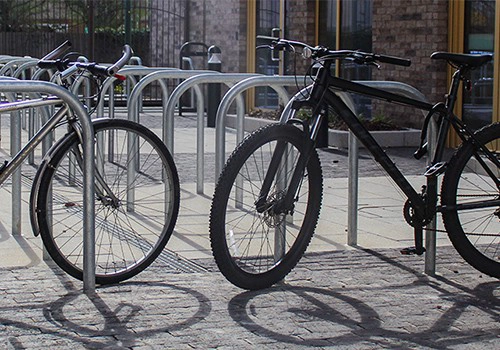
For municipalities, businesses, schools, and cycling enthusiasts, choosing the right bicycle rack is more than just providing a place to park. A high-quality bike rack is a long-term investment in safety, durability, usability, and even community aesthetics. With a wide range of options available—from simple inverted U bicycle rack to complex multi-bike systems—identifying the best solution requires careful consideration of several key factors. In this guide, we'll walk you through the critical elements that define a superior bicycle rack, helping you make an informed decision that meets your specific needs.
The foundation of any high-quality bicycle rack is the material from which it's constructed. The best racks are built to withstand heavy use, harsh weather conditions, and potential vandalism. Steel is the gold standard for durability and strength. Look for racks made from high-grade steel (such as A36 or 1018 steel) that have been treated to resist corrosion. Options include hot-dip galvanization, where steel is dipped in molten zinc to create a thick protective layer, or powder coating, a dry powder applied electrostatically and cured to form a hard, scratch-resistant finish. For maximum protection, especially in wet or coastal environments, choose galvanized steel with a powder coat.
Aluminum is another popular material, valued for its lightweight nature and rust resistance. However, it's less strong than steel, making it suitable for low-traffic areas or racks that don't need to support heavy bikes. Look for 6061-T6 aluminum, a high-strength alloy commonly used in structural applications. Stainless steel bicycle rack offers excellent corrosion resistance and a sleek appearance, making it ideal for high-end or architectural settings, but it comes at a higher cost and can be prone to scratching if not properly maintained.
When evaluating materials, consider your specific environment. Coastal regions require maximum corrosion resistance, while urban areas may prioritize resistance to vandalism. For most outdoor applications, hot-dip galvanized steel strikes the best balance between durability and cost-effectiveness.
A high-quality bike rack should be easy to use, secure, and accommodate a variety of bicycle types. Bike compatibility is key—racks should fit different frame styles, including diamond frames (traditional road and mountain bikes), step-through frames (common in women's bikes, city bikes, and electric bikes), fat bikes (with wide tires), and electric bikes (which are often heavier and may require additional support). Look for racks with adjustable arms or multiple contact points to ensure a secure fit for any bike.
Security features are equally important. The primary purpose of a bike rack is to keep bikes safe, so look for racks with tube diameters (typically 1.5–2 inches) compatible with standard U-locks and chains. Closed-loop designs or overlapping tubes prevent thieves from lifting bikes over the rack, while some premium models offer integrated locking mechanisms like built-in cable locks for added security.
Stability is another crucial factor. A stable rack prevents tipping or damage, so look for heavy-gauge materials, wide bases, or anchoring options like bolt-down plates or concrete footings. Weight capacity varies—most racks support 2–4 bikes, but heavy-duty models for high-traffic areas can hold 6 or more.Accessibility should not be overlooked. Racks should be easy to use for cyclists of all abilities, with a height that accommodates both children and adults. Allow for sufficient spacing between parking points (a minimum of 30 inches) and clear maneuvering space around the rack (at least 5 feet in front and 2 feet on either side) to ensure easy access.
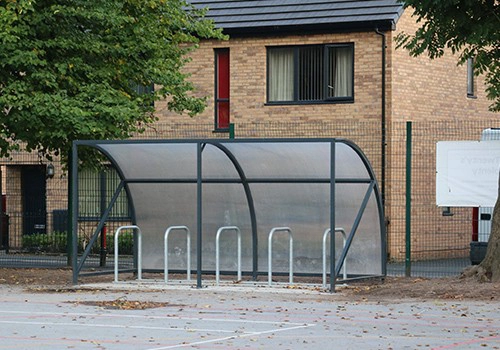
The installation process and maintenance requirements play a significant role in the long-term reliability of a bicycle rack. Consider the installation method that best suits your needs: surface-mounted racks bolted to concrete slabs or asphalt are the most common and offer excellent stability; in-ground racks embedded in concrete footings work well for areas where surface mounting isn't feasible but require more extensive work; and portable, freestanding racks are suitable for temporary use only.High-quality racks come with pre-drilled holes and detailed installation instructions to simplify the process. For best results, consider professional installation, especially for larger or more complex systems.
Maintenance needs vary depending on the material and finish. Racks with corrosion-resistant treatments like galvanization or powder coating require minimal upkeep, while uncoated steel will need regular repainting. Smooth surfaces are easier to clean than intricate designs, and racks with fewer moving parts are less likely to require repairs.A strong warranty is a testament to a manufacturer's confidence in their product. Look for warranties of at least 5–10 years covering defects in materials or workmanship. This can save you significant costs in the event of premature failure.
While functionality is paramount, the aesthetic appeal of a bicycle rack should not be overlooked. Racks are available in a wide range of design styles, from utilitarian to artistic, allowing you to choose a model that complements its surroundings. Modern, minimalist designs with clean lines work well in contemporary settings, while traditional inverted-U racks blend seamlessly with historic neighborhoods, schools, or residential areas.Color is another important consideration. Powder-coated racks come in an extensive palette, allowing you to select a shade that matches existing infrastructure, stands out for visibility, or reflects your organization's branding. Some manufacturers offer custom color options to meet specific design requirements.
For businesses or public art projects, custom or artistic racks featuring unique shapes, patterns, or local cultural motifs can serve as a branding tool or focal point. These racks not only provide practical bike parking but also enhance the visual appeal of the space and contribute to the community's identity.When evaluating aesthetics, strike a balance between visual appeal and functionality. An overly decorative rack that is difficult to use or lacks security features will ultimately fail to serve its purpose.
High-quality bike racks should meet industry standards and local regulations. ASTM International's F1235-17 standard is the benchmark for bicycle parking racks, covering requirements for design, materials, performance, and testing. Racks that are ASTM-certified have undergone rigorous evaluation to ensure they meet safety and durability standards.For public facilities, compliance with the Americans with Disabilities Act (ADA) is essential. Bike racks must be located on an accessible route, and at least 50% of the parking spaces must be wide enough to accommodate wheelchair users, allowing them to approach, lock, and unlock their bikes with ease.
Local zoning laws, building codes, and parking requirements may also dictate the number of racks needed, their placement, or specific design features. Some municipalities require a certain ratio of bike parking spaces to car parking spaces for businesses, while others may have restrictions on the height or style of racks in historic districts.Before making a purchase, research the relevant standards and regulations in your area to ensure compliance and avoid potential issues down the line.
While cost is an important consideration, it's essential to balance price with quality. A cheaper rack may save money upfront but could cost more in the long run due to maintenance, repairs, or replacement. When evaluating costs, consider the total cost of ownership, including the initial purchase price, installation costs (materials, labor, permits), maintenance expenses, and potential replacement costs.High-quality racks may have a higher upfront cost but offer a better return on investment. They reduce bike theft (saving cyclists money and lowering insurance claims), attract customers (businesses with reliable bike parking often see increased foot traffic), and improve community satisfaction by providing a useful, well-maintained amenity.
When comparing quotes from different manufacturers, request detailed specifications including materials, dimensions, weight capacity, and finish. Inquire about warranties and after-sales support, and ask for references from past customers to verify the quality and reliability of their products.Avoid choosing a rack based solely on price. Instead, evaluate it against all the factors outlined in this guide to ensure it offers the best value for your needs.
The reputation of the manufacturer is a key indicator of the quality of their bicycle racks. Established manufacturers with years of experience in designing and producing bike racks—rather than general metal fabricators—are more likely to have the expertise to create products that meet industry standards and address user needs.Research customer reviews and testimonials to gain insights into the performance of a manufacturer's products and their level of customer service. Look for feedback on durability, ease of installation, security, and responsiveness to issues or warranty claims.
Reputable manufacturers offer customization options to tailor racks to your specific requirements, whether that means adjusting the size, color, design, or adding branding elements. They also provide excellent after-sales support, including technical assistance, replacement parts, and efficient warranty processing.By choosing a well-respected manufacturer with a track record of quality and customer satisfaction, you can have confidence in your purchase and ensure that you receive a product that meets your expectations.
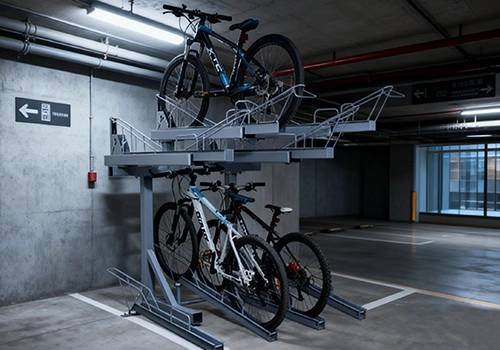
Identifying a high-quality bicycle rack requires careful consideration of materials, design, functionality, installation, maintenance, aesthetics, compliance, cost, and manufacturer reputation. By evaluating each of these factors, you can select a rack that is durable, secure, user-friendly, and visually appealing—an investment that will serve you and your community for years to come.
Whether you're a business owner looking to attract cyclists, a school administrator ensuring student safety, or a municipality enhancing public spaces, a high-quality bike rack is more than just a parking solution. It's a commitment to supporting cycling, promoting sustainable transportation, and creating spaces that are accessible and enjoyable for all.Investing in quality ensures that your bicycle rack will stand the test of time, providing reliable service and value for years to come. With the right rack, you can make a positive impact on your community while meeting your specific parking needs.