













ChinaBikerack
Bike Parking Solution Supplier
ChinaBikerack
Bike Parking Solution Supplier

Specifications
Model Number : PV-SC-001
Type: Bike parking and storage
Color:Yellow,Black,Green,Red,or Customized.
Style : both indoors and outside
Material : carbon steel
Loading: According to customer need
Size :195*23.2*75cm,200.55*23.2*75cm,or Customized.
Finish: hot-galvanized

Specifications
Model Number : PV-0081-01
Type: Bike parking and storage
Color:silver
Style : both indoors and outside
Material : carbon steel
Loading: According to customer need
Size :Height 1463mm, Depth 1114mm
Finish: hot-galvanized

Model Number : PV-0081-01
Type: Bike parking and storage
Color:Black
Style : both indoors and outside
Material : carbon steel
Loading: 2-10 bikes (According to customer need)
Size :Height 1463mm, Depth 1114mm
Finish: hot-galvanized

Model No.: PV-H1
Size: w605*D400*H330mm
Specification: Round tube:¢16*1.2mm
Finish: Power coated
Net Weight: 1.6 kgs
Packing size:6pcs/ctn
MOQ: 100pcs

Model Number : PV-0024-01
Material : carbon steel/stainless steel
Loading: according customer space size,we can design according the size
Size : W1977*D1130(depend on your parking space)*H2500mm
Finish: Powder coated ,hot-galvanized/electric polish
Packing size :2000*2000*2500mm(40 parking space )
Powder coated ,hot-galvanized/electric polish

Product number:PV-0046-01
Material:carbon steel
Specification:10.2*59*28CM or Customized.
MOQ:100PCS
Port:Shanghai
Trademark:PV

Model Number : PV-0081-01
Type: Outdoor Bike Parking Rack
Style : both indoors and outside
Material : carbon steel
Loading: 2-10 bikes (According to customer need)
Size :170.5*116*148CM
Finish: hot-galvanized

Model Number : PV-0055-01
Type: compact flat pack /slot
Color:black / silver /yellow/optional
Style :Outdoor/indoor
Material : carbon steel/ stainless steel
Capacity : park 6 bikes
Size : L1400*W1054*H840mm
Net weight :38KG
Finish: powder coating / hot galvanized /elctropolishing
Packing size :1490*860*160mm 1pcs/ctn

Product Name: Multi-Capacity Horizontal Two Tier Bike Parking Rack
Material: Carbon Steel
Finish: Powder coated
Post: 80mm * 80mm thickness: 3mm
Steel plate: thickness: 2mm
Dimension: 1325*1890*1830mm
Weight: 370 kg/set

Model: PV-0067-01
Material: stainless steel 304
Pipe: 50 mm* 2.5 mm
Size: 900*700 mm(L*W)
Surface treatment: polishing
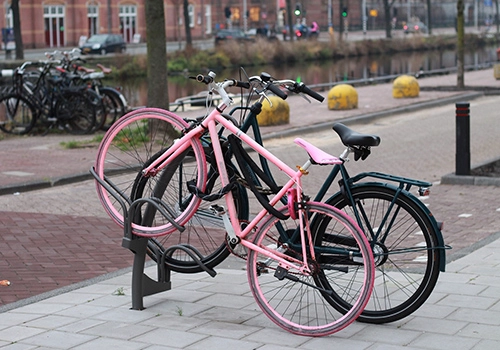
Bike racks are the unsung heroes of urban mobility, campus convenience, and commercial accessibility—providing a secure home for bicycles while promoting sustainable transportation. Whether installed in public plazas, office complexes, schools, or residential areas, a well-maintained bike rack not only safeguards cyclists’ property but also enhances the overall usability of public spaces. However, constant exposure to the elements, frequent use, and occasional neglect can take a toll on even the sturdiest bike racks, shortening their service life and compromising their functionality. In this comprehensive guide, we’ll walk you through practical maintenance tips to keep your bike racks in top condition for years to come. Along the way, we’ll also highlight how our company’s high-quality, versatile bike racks are designed to minimize maintenance efforts while maximizing durability and performance.
Before diving into maintenance steps, it’s crucial to understand why regular upkeep is non-negotiable. Bike racks are subjected to a range of stressors: outdoor models face rain, snow, UV radiation, and temperature fluctuations, which can cause rust, corrosion, and material degradation. Indoor racks, while protected from the elements, deal with constant contact from bicycle frames, locks, and frequent use, leading to wear and tear on moving parts and structural components. Neglecting maintenance can result in loose bolts, rusted surfaces, broken locking mechanisms, or even structural failure—all of which put cyclists’ bikes at risk and create safety hazards. Moreover, a worn, damaged bike rack reflects poorly on the property or organization that installed it, detracting from the overall aesthetic and usability of the space. By investing a small amount of time in regular maintenance, you can extend your bike racks’ service life, reduce replacement costs, and ensure they remain a reliable, safe option for cyclists.
At our company, we prioritize durability in every bike rack we design—because we believe the best maintenance is a product that’s built to last. Our racks are crafted from premium materials, engineered for resilience, and tested to withstand the harshest conditions, making your maintenance routine simpler and more effective.
Regardless of the type of bike rack (freestanding, wall-mounted, ground-anchored, or decorative), these core maintenance steps will help preserve its condition and functionality. We’ve organized them into a easy-to-follow routine, suitable for property managers, facility teams, and anyone responsible for bike rack upkeep.
Dirt, dust, bird droppings, and road grime (including salt in winter months) can accumulate on bike racks over time, leading to surface damage and corrosion—especially for metal models. Regular cleaning is the foundation of effective maintenance, and it’s simpler than you might think. For most bike racks, start with a soft-bristle brush to remove loose debris, then wipe down the surface with a mild soap and water solution. Avoid harsh chemicals or abrasive cleaners, as these can scratch protective coatings and accelerate rusting.
For outdoor bike racks exposed to salt (such as in coastal areas or snowy regions), rinse thoroughly with clean water after cleaning to remove any residual salt, which is highly corrosive to metal. For stainless steel or powder-coated racks—like the ones we manufacture—occasional polishing with a non-abrasive wax can help maintain their finish and protect against UV damage. Our powder-coated racks feature a durable, weather-resistant finish that repels dirt and makes cleaning even easier, reducing the frequency of deep cleans needed.
Cleaning is the perfect time to inspect your bike rack for signs of wear or damage. Conduct a visual check of the entire structure, paying close attention to:
Rust and corrosion: Look for red or brown spots on metal components, especially at joints, bolts, and areas where the finish is chipped. Even small rust spots can spread, so address them promptly.
Loose bolts or fasteners: Outdoor racks are often anchored to the ground or walls, and constant use or weather-related movement can loosen bolts. Use a wrench to tighten any loose fasteners, and replace any missing or damaged bolts immediately. For ground-anchored racks, check that the anchor bolts are secure and that the concrete around them is not cracked.
Structural damage: Look for bent, dented, or cracked frames—common issues if the rack is hit by a vehicle or subjected to heavy force. Structural damage can compromise the rack’s ability to secure bikes, so damaged racks should be repaired or replaced as soon as possible.
Locking mechanisms: If your rack includes built-in locks (such as our secure lockable bike racks), test each lock to ensure it opens and closes smoothly. Check for jammed parts or rust, which can prevent the lock from functioning properly.
Our bike racks are designed with these inspection needs in mind. We use high-grade stainless steel, galvanized steel, and premium aluminum—materials that resist rust and corrosion even in harsh environments. Our structural frames are engineered to withstand impact and heavy use, reducing the risk of bent or cracked components. Additionally, our fasteners are made from corrosion-resistant materials, ensuring they stay secure for years without frequent tightening.
For bike racks with moving components—such as folding bike racks, adjustable arms, or swing-out designs—lubrication is key to preventing friction, rust, and wear. Over time, dirt and moisture can cause moving parts to seize up, making the rack difficult to use. Every 3–6 months (or more frequently in wet environments), apply a high-quality lubricant to hinges, pivots, lock mechanisms, and any other moving parts.
Avoid using WD-40 as a long-term lubricant; instead, use a lithium-based or silicone-based lubricant, which provides longer-lasting protection against rust and friction. After applying lubricant, wipe away any excess to prevent dirt from sticking to the surface. Our adjustable and folding bike racks are designed with sealed hinges and high-quality moving parts that require minimal lubrication, saving you time and effort in your maintenance routine.
Even with the most durable materials, rust can occasionally appear—especially if the rack’s finish is chipped or scratched. Catching rust early is key to preventing it from spreading and causing serious damage. For small rust spots, use a wire brush to remove the rust, then sand the area smooth. Apply a touch-up paint that matches the rack’s finish (we provide touch-up paint for all our racks) to seal the surface and prevent further corrosion.
For more severe rust, especially on structural components, it’s best to contact a professional or replace the affected part. Our bike racks are available with galvanized or powder-coated finishes that provide an extra layer of protection against rust and corrosion. Our galvanized steel bike racks are dipped in a zinc coating that forms a barrier against moisture, while our powder-coated racks feature a thick, durable layer that resists chipping and fading—ensuring your rack stays rust-free for years.
Different seasons bring different challenges for bike rack maintenance. Adapt your routine to address seasonal stressors:
Winter: Salt and de-icing chemicals can accelerate rust and corrosion. Increase the frequency of cleaning (every 2–3 weeks) to remove salt residue. For areas with heavy snow, clear snow from the rack regularly to prevent excessive weight from bending or damaging the structure. Our winter-resistant bike racks are designed to withstand freezing temperatures and salt exposure, with materials that hold up even in the harshest winter conditions.
Summer: UV radiation can fade paint and damage plastic components (if applicable). Clean the rack regularly to remove dust and debris, and consider applying a UV protectant to plastic parts. Our powder-coated finishes are UV-resistant, preventing fading and discoloration even after years of direct sunlight.
Rainy Seasons: Increased moisture can lead to rust and mold. Ensure the rack is properly drained (avoid standing water around ground-anchored racks) and inspect for rust more frequently. Our bike racks feature drainage holes and raised designs to prevent water from pooling, reducing the risk of moisture-related damage.
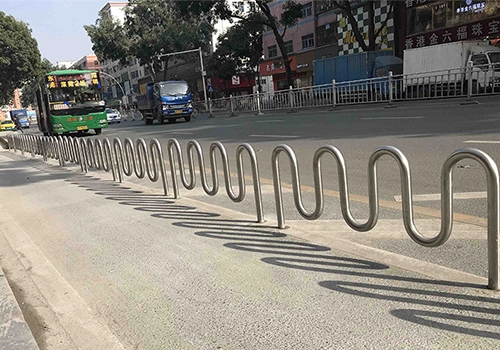
While regular maintenance is essential, the quality of your bike rack plays a huge role in how much effort you’ll spend on upkeep—and how long it will last. At our company, we’ve engineered our bike racks to minimize maintenance needs while delivering exceptional durability, versatility, and security. Here’s what sets our products apart:
We use only the highest-quality materials in our bike racks, including 304 stainless steel, galvanized steel, and aircraft-grade aluminum. These materials are resistant to rust, corrosion, and wear, even in extreme weather conditions—from coastal humidity to snowy winters. Unlike low-quality racks that start to rust or degrade within a few years, our racks are built to withstand the test of time, reducing the need for frequent repairs or replacements.
We offer a comprehensive range of bike rack types to suit any application, including freestanding, wall-mounted, ground-anchored, serpentine, inverted U, bollard, and decorative models—each designed with maintenance in mind. Whether you need a compact rack for a small office parking lot, a high-capacity rack for a university campus, or a decorative rack for a public plaza, we have a solution that fits. Our adjustable and folding racks are easy to maintain, with sealed moving parts that require minimal lubrication, while our fixed racks are sturdy and low-maintenance, perfect for high-traffic areas.
We don’t just sell bike racks—we provide complete, customized solutions. Our team works with you to assess your needs, recommend the right rack type and placement, and ensure proper installation. Proper installation is a key part of reducing maintenance needs: a poorly installed rack is more likely to become loose, damaged, or corroded. We handle every step from design to installation, ensuring your rack is secure, stable, and built to last. Additionally, we offer ongoing support and replacement parts, making maintenance even easier—if you ever need a new bolt, lock, or touch-up paint, we have you covered.
Our bike racks are designed with security in mind, featuring built-in locks, anti-theft mechanisms, and sturdy frames that deter vandalism and theft. By keeping bikes secure, our racks reduce the risk of damage caused by forced entry or tampering—another way we help extend your rack’s service life. Our locks are made from high-quality materials that resist picking and rust, and our frames are engineered to withstand heavy force, ensuring your rack remains functional and secure for years.
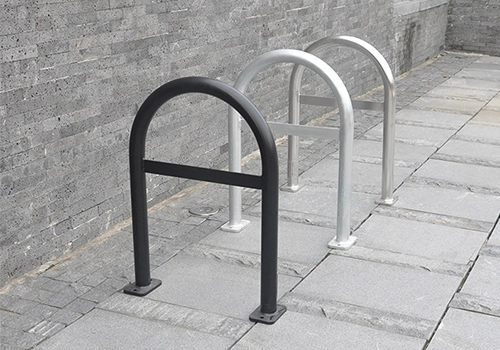
Maintaining your bike racks doesn’t have to be a time-consuming chore. With a regular routine of cleaning, inspection, lubrication, and prompt repairs, you can extend their service life, protect cyclists’ bikes, and keep your space safe and functional. And when you choose our high-quality bike racks, you’re investing in a product that’s designed to minimize maintenance needs while delivering exceptional performance.
Whether you’re a property manager, facility director, or organization looking to enhance your bike parking options, we’re here to help. Our versatile, durable bike racks are built to last, and our team is dedicated to providing the support you need to keep them in top condition. Contact us today to learn more about our full range of bike rack solutions and how we can help you create a safe, accessible, and low-maintenance bike parking area.