













ChinaBikerack
Bike Parking Solution Supplier
ChinaBikerack
Bike Parking Solution Supplier

Specifications
Model Number : PV-SC-001
Type: Bike parking and storage
Color:Yellow,Black,Green,Red,or Customized.
Style : both indoors and outside
Material : carbon steel
Loading: According to customer need
Size :195*23.2*75cm,200.55*23.2*75cm,or Customized.
Finish: hot-galvanized

Specifications
Model Number : PV-0081-01
Type: Bike parking and storage
Color:silver
Style : both indoors and outside
Material : carbon steel
Loading: According to customer need
Size :Height 1463mm, Depth 1114mm
Finish: hot-galvanized

Model Number : PV-0081-01
Type: Bike parking and storage
Color:Black
Style : both indoors and outside
Material : carbon steel
Loading: 2-10 bikes (According to customer need)
Size :Height 1463mm, Depth 1114mm
Finish: hot-galvanized

Model No.: PV-H1
Size: w605*D400*H330mm
Specification: Round tube:¢16*1.2mm
Finish: Power coated
Net Weight: 1.6 kgs
Packing size:6pcs/ctn
MOQ: 100pcs

Model Number : PV-0024-01
Material : carbon steel/stainless steel
Loading: according customer space size,we can design according the size
Size : W1977*D1130(depend on your parking space)*H2500mm
Finish: Powder coated ,hot-galvanized/electric polish
Packing size :2000*2000*2500mm(40 parking space )
Powder coated ,hot-galvanized/electric polish

Product number:PV-0046-01
Material:carbon steel
Specification:10.2*59*28CM or Customized.
MOQ:100PCS
Port:Shanghai
Trademark:PV

Model Number : PV-0081-01
Type: Outdoor Bike Parking Rack
Style : both indoors and outside
Material : carbon steel
Loading: 2-10 bikes (According to customer need)
Size :170.5*116*148CM
Finish: hot-galvanized

Model Number : PV-0055-01
Type: compact flat pack /slot
Color:black / silver /yellow/optional
Style :Outdoor/indoor
Material : carbon steel/ stainless steel
Capacity : park 6 bikes
Size : L1400*W1054*H840mm
Net weight :38KG
Finish: powder coating / hot galvanized /elctropolishing
Packing size :1490*860*160mm 1pcs/ctn

Product Name: Multi-Capacity Horizontal Two Tier Bike Parking Rack
Material: Carbon Steel
Finish: Powder coated
Post: 80mm * 80mm thickness: 3mm
Steel plate: thickness: 2mm
Dimension: 1325*1890*1830mm
Weight: 370 kg/set

Model: PV-0067-01
Material: stainless steel 304
Pipe: 50 mm* 2.5 mm
Size: 900*700 mm(L*W)
Surface treatment: polishing
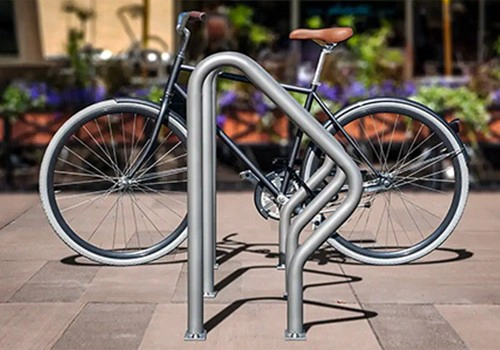
In an era where sustainable transportation is a necessity, cycling has become a popular choice for commuting, recreation, and fitness. As the number of cyclists grows globally, the need for proper bicycle parking infrastructure becomes increasingly critical. Bike racks, often overlooked as simple fixtures, play a pivotal role in enhancing public space order, reducing hazards, and fostering a safer environment for cyclists, pedestrians, and motorists alike. For cities, businesses, and public institutions, investing in high-quality bike racks is a strategic step toward creating more organized, secure, and inclusive public spaces. This blog explores how bike racks transform public areas and why they are essential for modern urban planning.
Without designated parking spaces, cyclists often lock their bikes to street signs, lampposts, railings, trees, or building facades. This haphazard parking disrupts public order and compromises safety for all users.
Pedestrians suffer most from this disorganization: randomly parked bikes block sidewalks, crosswalks, and accessibility ramps, forcing people—including those with strollers or mobility aids—to navigate obstacles, increasing trip and fall risks. In busy areas, cluttered sidewalks create bottlenecks, heightening frustration and potential conflicts.
For motorists, unregulated bike parking obscures visibility at corners and driveways, raising collision risks. Cyclists rushing to park in undesignated areas may dart into traffic, endangering themselves and others. Abandoned bikes can also block emergency vehicle access, delaying life-saving responses.
Beyond safety, unregulated parking harms public spaces’ aesthetic and functional value. Haphazardly parked bikes make areas appear unkempt, discouraging visitors and hurting local economies—creating a barrier to vibrant, welcoming communities.
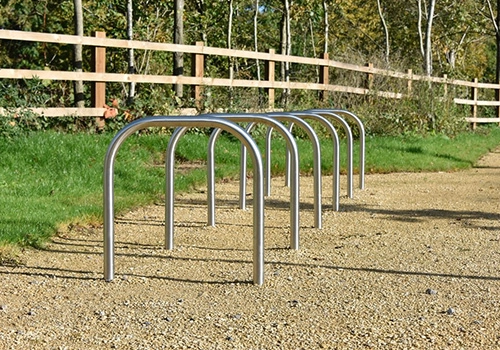
Bike racks are the cornerstone of public space organization, addressing chaos by providing a dedicated, structured parking spot for cyclists. Their impact is immediate, transforming cluttered areas into streamlined, functional spaces.
By centralizing bike parking, racks keep sidewalks and pathways clear, improving pedestrian flow and creating a visually cohesive environment. In commercial districts, they prevent bikes from blocking storefronts, keeping businesses accessible. In parks, they keep recreational areas unobstructed for everyone to enjoy.
Modern bike racks are engineered for space efficiency, ideal for dense urban areas. Unlike unregulated parking, designs like serpentine, grid, or Sheffield-style racks maximize capacity while minimizing their footprint. A single standard car parking spot can fit up to 12 bikes with efficient racks, freeing space for pedestrian or green areas.
Bike racks also promote cyclist accountability. With designated spots, cyclists are more likely to park neatly, fostering respect for public spaces. They also make it easier for officials to monitor parking and prevent abandoned bikes.
The most critical benefit of bike racks is improved safety for cyclists, pedestrians, and motorists. They create a predictable, secure environment by eliminating unregulated parking hazards.
For cyclists, high-quality racks deter theft and vandalism. Bicycle theft is a major concern—estimates show over 1.7 million bikes are stolen annually in the U.S.—and unregulated parking makes bikes easy targets. Racks that secure both frames and wheels reduce theft risk, encouraging more people to cycle and easing traffic congestion.
Racks also reduce cyclist exposure to high-traffic areas, as cyclists no longer need to stop in sidewalks or near roadways to park. For pedestrians, clear pathways eliminate trip hazards, protecting vulnerable groups like children and the elderly. For motorists, unobstructed intersections and signs improve visibility, reducing collisions.
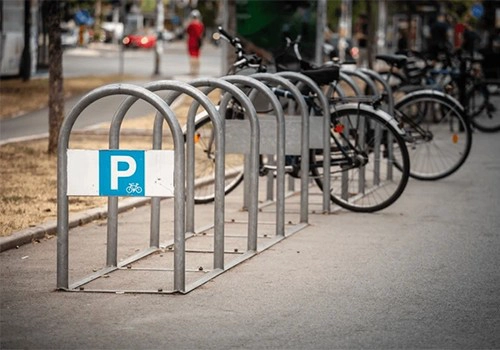
Beyond order and safety, bike racks promote active transportation, linked to reduced obesity, better cardiovascular health, and lower stress. By making cycling accessible and secure, they encourage more people to choose this healthy mode, creating safer, more connected communities. Investing in quality bike racks is not just about parking—it’s about building spaces that work for everyone.